Wizz Air Welcomes Record 50-Cadet Pilot Intake

Jess Miller
•
13 Nov 2026
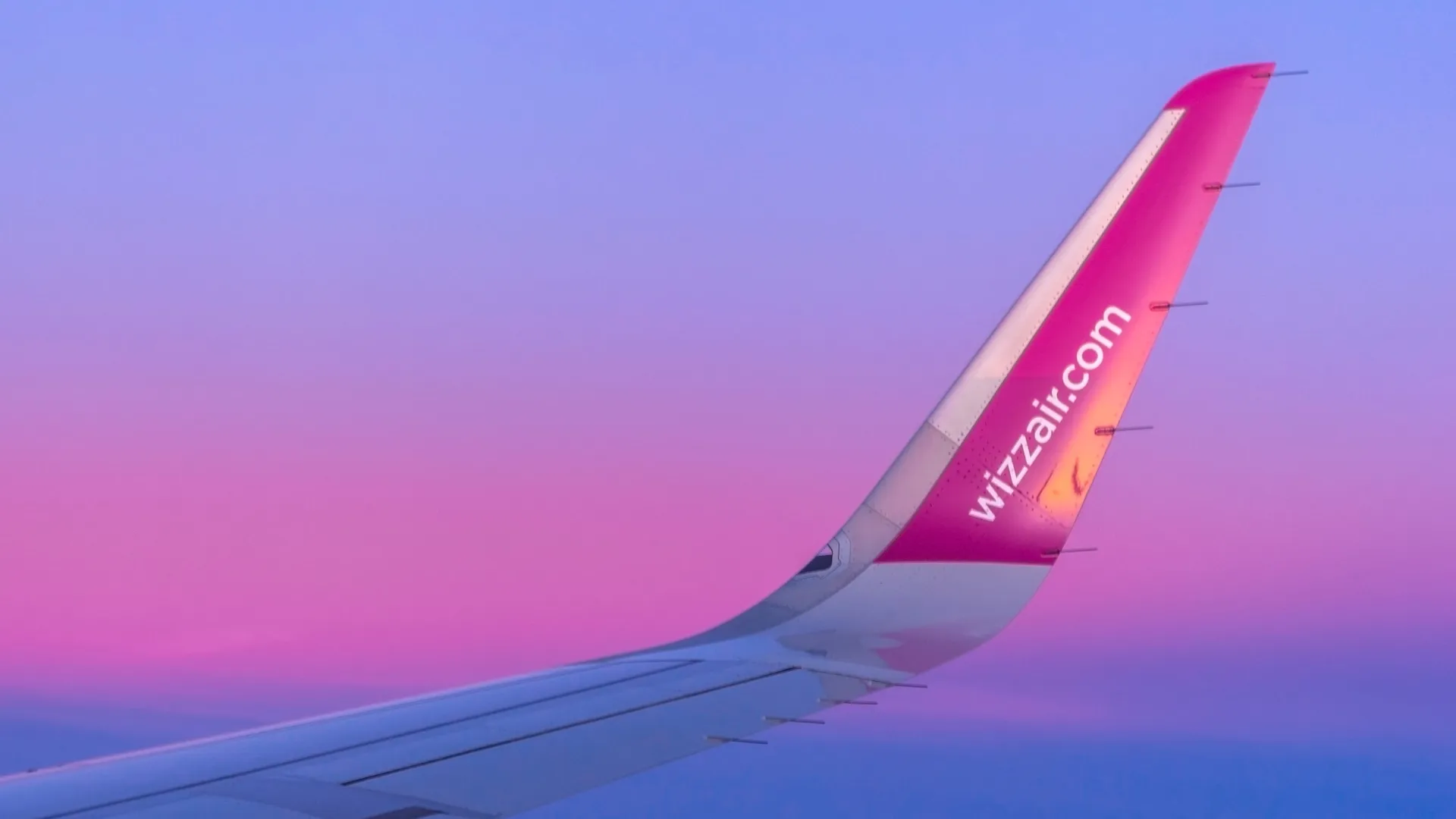
Wizz Air has welcomed its largest intake yet at one of its main pilot training partners, with 50 cadets beginning the Wizz Air Pilot Academy programme at Tréner Flight Academy in Nyíregyháza, Hungary, in October. The group, known as WAPA 25, is around 9% larger than the 46 cadets who started at the same school in October 2025.
The intake is a useful indicator of how Europe's large low-cost carriers are planning for future flight deck demand. Rather than relying entirely on experienced pilots from the open market, Wizz Air is growing its own pipeline of First Officers trained to its standards from the first day of flight school.
Inside the Programme
The Wizz Air Pilot Academy is an ab initio route, designed for candidates with no previous flying experience. Cadets spend around 18 months completing ATPL theory, their commercial pilot licence, multi-engine and instrument ratings, advanced upset prevention and recovery training (UPRT) and an Airline Pilot Standards multi-crew cooperation course. They then move on to an Airbus A320 type rating and the airline's conversion training before joining the line as First Officers.
Tréner has worked with Wizz Air since 2016 and has become the main hub for the academy, with all of the 2026 intakes running through its base in eastern Hungary. The airline has published further start dates of 15th February, 24th May and 11th October 2027, giving prospective applicants three more opportunities over the coming year.
How the Funding Works
WAPA is not fully sponsored, which sets it apart from the funded schemes run by some UK and Gulf carriers. Cadets pay part of the training cost upfront, and Wizz Air pre-finances the remainder, which is then repaid through salary deductions once the cadet is flying for the airline. Successful applicants receive a conditional job offer when they enrol, and the airline also runs its She Can Fly initiative, which reduces the upfront cost for female applicants.
Candidates need to be at least 18 years old, hold an EASA Class 1 medical, have a secondary education that includes maths and physics and meet ICAO English level 4 or higher. Selection starts with an online aptitude test, followed by an assessment centre in Budapest that includes group exercises, an interview and psychological profiling.
Where WAPA Graduates Fly
Graduates are placed at Wizz Air bases across its network, which includes Hungary, Poland and Romania in central and eastern Europe as well as Italy and the UK. Base allocation depends on operational need at the time a cadet completes training, and recent graduates have reported waits of a few months for type rating slots.
Once on the line, Wizz Air's network gives new First Officers a high volume of sectors on the A320 and A321neo, which builds hours and experience quickly. The airline also operates a growing premium product, with Wizz Class rolled out across its network from February 2026 after a successful trial, a sign of how even ultra-low-cost carriers are looking for new revenue as they expand.
Why Cadet Intakes Matter
Record cadet numbers matter beyond Wizz Air. Boeing's latest outlook forecasts demand for 153,000 new pilots across Europe, Russia and Central Asia by 2045, and airlines across the region are expanding their own training routes to meet that demand. British Airways, Jet2, Air France and easyJet all run cadet schemes, and larger intakes at programmes such as WAPA increase the number of entry points for people starting from zero hours.
For anyone weighing up a career change into the flight deck, the gap between the February and October 2027 intakes gives time to prepare for aptitude testing, arrange a Class 1 medical and compare the funding models offered by different airlines before committing to a route.