Gulf Airlines Keep Hiring Despite the Headlines

Jess Miller
•
12 Nov 2026

It has been a difficult year for travel across the Gulf. Conflict in the region has led to flight delays, cancellations and airspace restrictions, and international coverage of the UAE and its neighbours has focused heavily on disruption. Behind those headlines, the region's airlines have continued to recruit, and several are running hiring events across Europe and Asia this winter.
For pilots, cabin crew and engineers weighing up a move to the Gulf, the hiring figures paint a more positive picture than the news coverage might suggest.
Emirates Responds to the Headlines
Emirates addressed the issue directly in a one-minute video released on its social channels at the end of September. The film opens with a member of cabin crew reading a newspaper called the Daily Made Up, before following crew members around Dubai attractions including the Museum of the Future and Atlantis The Royal, set to Ain't No Mountain High Enough.
The message is aimed at travellers, with crew acknowledging that Dubai is not for everyone and inviting people to visit and connect through the city. One line from the video sums up the airline's position: "Headlines will always come and go; life here will just keep on getting better." The campaign was widely shared on X and Instagram, and the tone was well received by viewers.
Emirates has backed the message with action. In June, it introduced travel cover for international passengers alongside Etihad, including medical cover for conflict-related incidents and accommodation support, and it has continued to invest in its product, with premium economy now available on 31 of its 41 European and UK destinations and an average of 78 daily flights between Dubai and Europe this winter.
The Hiring Has Continued
Emirates set out plans in January to recruit around 20,000 operational staff, including pilots, cabin crew, engineers and airport teams, by 2030 as it takes delivery of new Airbus A350s. In its half-year results published this month, the Emirates Group confirmed that Emirates and dnata are still recruiting to meet operational needs.
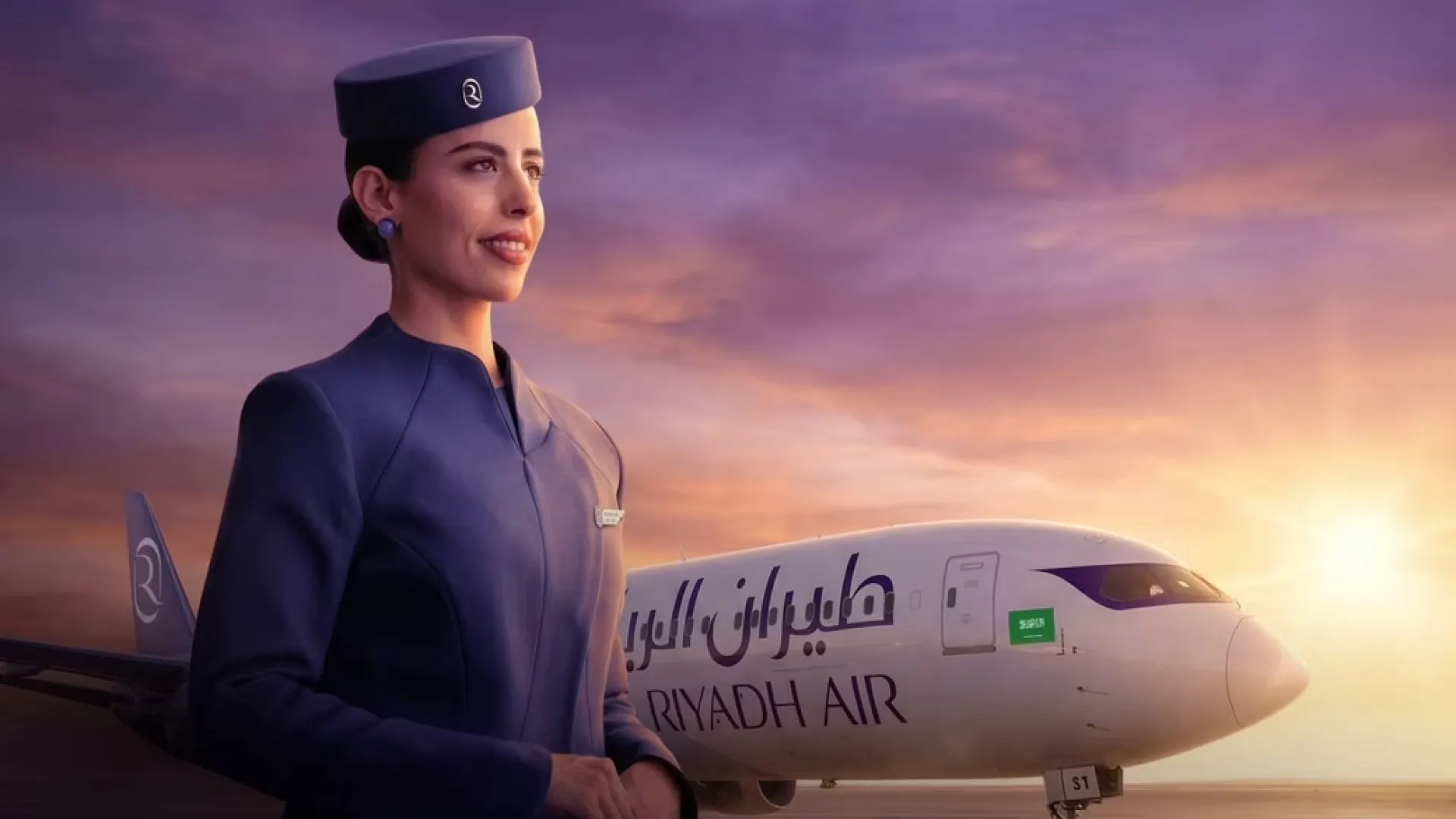
Etihad Airways expects to hire more than 3,000 people in 2026 and around 7,000 by 2035. Around 700 of this year's new starters were onboarded during a six-month period of regional disruption, and the airline has continued to run monthly recruitment campaigns in the UAE and overseas. Riyadh Air, which has launched 15 destinations since June, said there had been no slowdown or impact on hiring, and is recruiting up to 15,000 cabin crew alongside experienced pilots.
Qatar Airways has also been recruiting, holding cabin crew assessment days in August across eight cities including Kuala Lumpur, Tokyo, Jakarta, Paris, Seoul and Dhaka.
Upcoming Recruitment Events
Etihad has several events scheduled over the coming weeks for candidates who want to meet the recruitment teams in person or online.
- Etihad Virtual Pilot Roadshow - Tuesday 17th November 2026, 16:00 to 17:00 (GST), 12:00 to 13:00 (GMT). Register here.
- Etihad Pilot Roadshow, Kuala Lumpur - Tuesday 24th November 2026, 09:00 to 16:00, Mövenpick Hotel. Register here.
- Etihad Cabin Crew Recruitment Day, Bali - Tuesday 24th November 2026, from 09:00. Register here.
- Etihad Cabin Crew Recruitment Day, Porto - Tuesday 8th December 2026, from 09:00. Register here.
- Etihad Cabin Crew Recruitment Day, Lisbon - Thursday 10th December 2026, from 09:00. Register here.
Why Gulf Airlines Keep Hiring
Gulf carriers plan their workforce around aircraft deliveries that are scheduled years in advance, and those deliveries have not stopped. Emirates is taking new A350s, Etihad is adding more than 20 aircraft a year under its Journey 2030 strategy and Riyadh Air has more than 150 aircraft on order. Each new widebody needs several crews, along with engineers and ground staff, regardless of short-term changes in demand.
The long-term outlook supports that approach. Boeing forecasts that the Middle East will need 67,000 new pilots, 65,000 maintenance technicians and 104,000 cabin crew by 2045, figures that reflect the region's role as a connecting point between Europe, Asia and Africa.
For candidates, the practical benefits that drew people to the Gulf in the first place remain in place, including tax-free salaries, accommodation support for cabin crew, fast progression on growing fleets and access to some of the youngest aircraft in the world. Anyone considering a move can use the upcoming recruitment events to ask direct questions about rosters, relocation and life in the region before making a decision.