Why Delivery Delays Are Good News for Engineers

Jess Miller
•
13 Nov 2026

Aircraft manufacturers are struggling to build aircraft as quickly as airlines want them, and Boeing announced this month that it will cut around 2,500 roles from its commercial aircraft division after reducing production rates, and has pushed its target of 52 Boeing 737 MAX aircraft a month back to the second half of 2027. For aircraft maintenance engineers, the knock-on effect of those delays is more work, because every new aircraft that arrives late is an older one that stays in service and needs maintaining.
Combined with a wave of retirements across the engineering workforce, the result is a strong and long-lasting demand for licensed engineers and new apprentices.
Older Fleets Need More Maintenance
IATA figures show the scale of the problem. The global order backlog has passed 18,000 aircraft, and by June 2026 airlines were more than 5,000 aircraft short of the deliveries they had originally expected. With replacements arriving late, carriers are keeping older aircraft in service, and the average age of the global fleet has reached a record 15.2 years.
Older aircraft spend more time in the hangar. Life extension relies on heavy maintenance checks, structural inspections, cabin refurbishment and avionics upgrades, and engine durability issues on some newer types have lengthened shop visits and reduced aircraft availability. IATA estimates that supply chain problems cost airlines at least $11 billion (£8.3 billion, €9.5 billion) in 2025, with higher maintenance and leasing costs among the main contributors.
Engine delays have hit European carriers directly. British Airways' chief technical officer said last year that none of the airline's main engine suppliers had delivered an engine on time in 2025, forcing the airline to keep engines on wing for longer and manage its schedule around grounded aircraft. Situations like this increase demand for engineers who can manage complex maintenance programmes, troubleshoot ageing systems and keep aircraft serviceable for longer than planned.
A Wave of Retirements
The UK Civil Aviation Authority estimates that 27% of the aircraft engineering workforce will retire within the next decade. Many of those engineers hold B1 and B2 licences and type ratings that take years to build, and their departure will leave gaps in line maintenance, base maintenance and technical management roles across airlines and MROs.
The global outlook points in the same direction. Boeing forecasts demand for 728,000 new maintenance technicians worldwide by 2045, including 169,000 across Europe, Russia and Central Asia, 65,000 in the Middle East and 83,000 in Southeast Asia. Airbus puts the figure at 730,000 over the same period, as part of a total requirement of more than 2.4 million new aviation professionals.
New Aircraft Still Need Engineers
Delays do not mean the order books are shrinking. Airlines continue to place orders for new aircraft, with Cathay Pacific adding 14 more Airbus jets on 11th November and taking its A330-900 order to 41 aircraft, and Gulf carriers building up fleets of A350s and Boeing 787s. Every new type that enters service needs engineers with the right type ratings, which creates training opportunities for engineers already in the industry.
MRO capacity is growing to meet that demand. flydubai is building a new maintenance facility at Dubai World Central and expects to bring significantly more work in-house from early 2027.
Getting Started in Aircraft Engineering
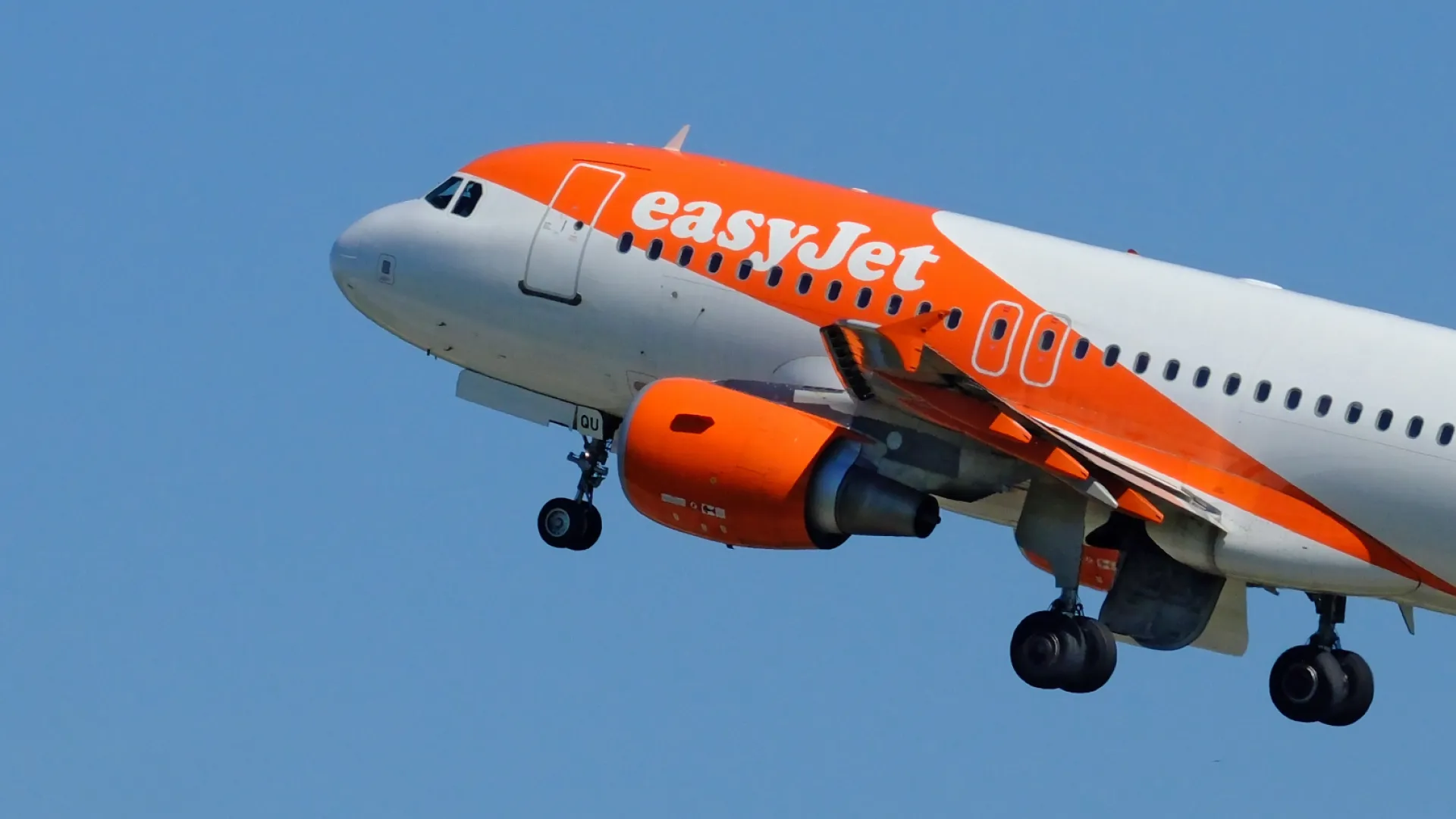
For people starting out, apprenticeships remain the most direct route. easyJet runs an engineering apprenticeship with places at Luton and Gatwick and further UK locations planned, and asks for two GCSEs at grade 4 or above in English and maths. Ryanair, British Airways and several MROs run their own schemes, combining paid on-the-job training with study towards a licence.
Research carried out for easyJet found that 65% of 16 to 24-year-olds had never considered a career in engineering and 34% said it had never been presented to them as an option at school. That gap between awareness and demand is good news for anyone who does apply, because the number of candidates is small compared with the number of roles airlines and MROs will need to fill.
For licensed engineers, the combination of ageing fleets, delayed deliveries and retirements strengthens their position when discussing pay, shift patterns and type rating training, and the maintenance work created by late deliveries will continue for as long as the industry waits for its new aircraft to arrive.